
Community Engagement
STEPS engages stakeholders to transfer knowledge related to sustainable solutions for phosphorus management.
In STEPS, we refer to community engagement as knowledge transfer. STEPS Knowledge Transfer facilitates a multidirectional exchange of scientific and technical information across multiple sectors and diverse stakeholders. In particular, forward knowledge transfer occurs from researchers to outside communities (e.g., agribusinesses, agricultural workers, municipal water and wastewater treatment managers), while reverse knowledge transfer occurs from stakeholders into STEPS research to help guide and prioritize research directions
Knowledge Transfer occurs through 5 main assets:
- Societal Engagement Partners
- Technical Working Groups, connecting external stakeholders directly to STEPS researchers
- The Sustainable Phosphorus Alliance, in which STEPS is a member
- Agriculture Extension Services
- Triple Bottom Line (TBL) sites
STEPS research outcomes are disseminated to diverse audiences through the STEPS website, presentations at international and national conferences (e.g., Sustainable Phosphorus Summit, Phosphorus Forum), and engaging students in Convergence Classrooms, which engages participants from diverse backgrounds on topics of phosphorus sustainability.
STEPS’ faculty are leading scholars in best practices for stakeholder engagement.
STEPS partners with leading phosphorus sustainability organizations.
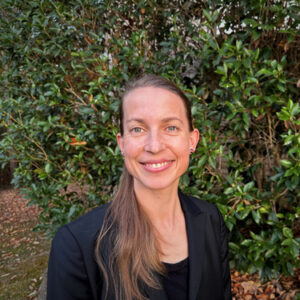
Khara Grieger
Matt Scholz

Photo by Andy DeLisle